7 UI design trends to watch in 2026
- Written by
 Soraia Morais
- Published
- Last updated
Digital products are evolving to be more focused on people and how they interact, doubling down on experiences that feel natural and effortless, helping users engage with content with ease. This shift is shaping new ways of thinking about design, revealing patterns and approaches that are beginning to stand out across the industry.
These design trends act as sources of inspiration. They reflect how designers are responding to changing user expectations and technological possibilities, offering directions that can be interpreted and adapted in different ways. Here are the trends to watch in 2026:
1. Liquid Glass
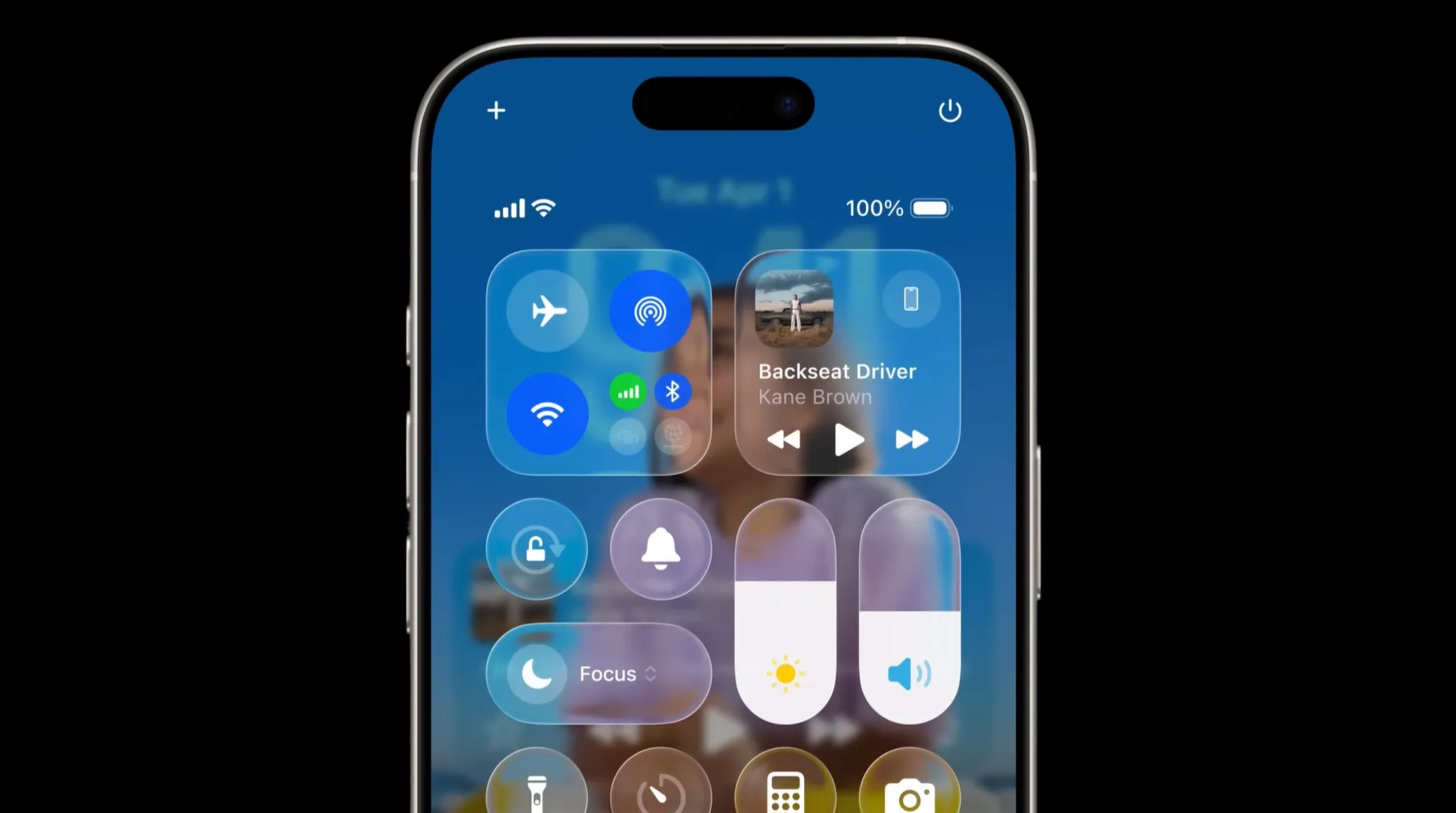
Liquid Glass emerges as a more refined evolution of glassmorphism. Instead of static blur and transparency, it introduces dynamic optical behaviors (such as light, refraction, translucency, and depth) with elements subtly responding to surrounding content.
Its value goes beyond aesthetics. Referencing real-world materials can help users understand layers and hierarchy, adding depth and clarity when applied with restraint.
When used intentionally, it should highlight important content, guide users, and maintain readability, rather than exist purely as visual flair. Its role in 2026 is to support clarity and structure while adding depth in a subtle, purposeful way.
2. Motion-Driven interfaces
Motion is no longer perceived as an enhancement but as a core UI language. Interfaces increasingly rely on motion to communicate state changes, guide attention, and explain cause and effect.
This trend reflects an evolution from isolated micro-interactions to motion systems that shape entire user journeys. Transitions, loading states, and feedback animations work together to create continuity and reduce cognitive effort.
As products become more adaptive and dynamic, motion will play a key role in making these changes feel natural and predictable rather than abrupt.
Experimental navigation is not new, but in 2026, it becomes more refined and purposeful. Designers are moving beyond novelty and focusing on exploration without confusion.
Navigation patterns increasingly rely on progressive disclosure, scroll-based storytelling, and contextual menus that adapt to user intent. Instead of showing everything at once, interfaces reveal structure gradually.
This evolution works best for content-heavy platforms, brand experiences, and editorial products, where engagement and discovery are just as important as speed.
4. Interactive elements
Interactive UI elements, particularly WebGL-based components, are evolving from visual experiments into functional interface tools.
These elements are expected to support understanding rather than distraction: product exploration, data visualization, onboarding, or spatial previews. As performance and accessibility improve, interactive components will feel more integrated and purposeful.
The trend points toward restraint: fewer interactive elements, but each one clearly tied to user goals.
5. Spatial Design
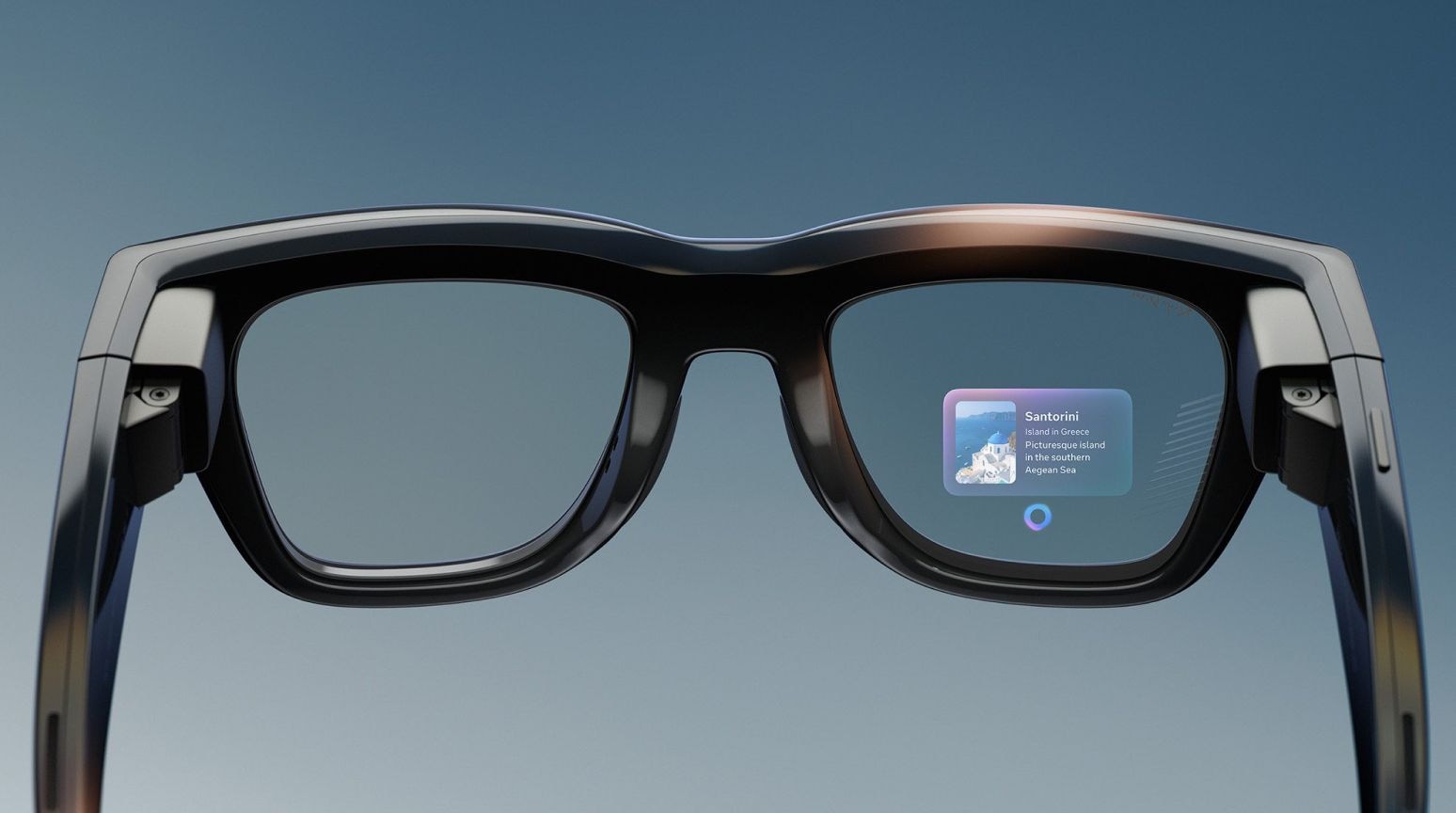
Spatial design is often associated with augmented reality, but in the context of UI trends for 2026, it refers to something broader and more subtle. Rather than immersive AR experiences, spatial design focuses on how interfaces use depth, layering, scale, and positioning to communicate structure on traditional screens.
As digital products become more complex, spatial cues help users quickly understand what is primary, what is secondary, and how different elements relate to each other. Elevation, overlap, and distance are used intentionally to reduce cognitive load and improve scanability.
Spatial design about applying spatial logic to 2D interfaces, creating layouts that feel organized, intuitive, and easier to navigate without requiring additional explanation.
6. Hyper-personalized interfaces
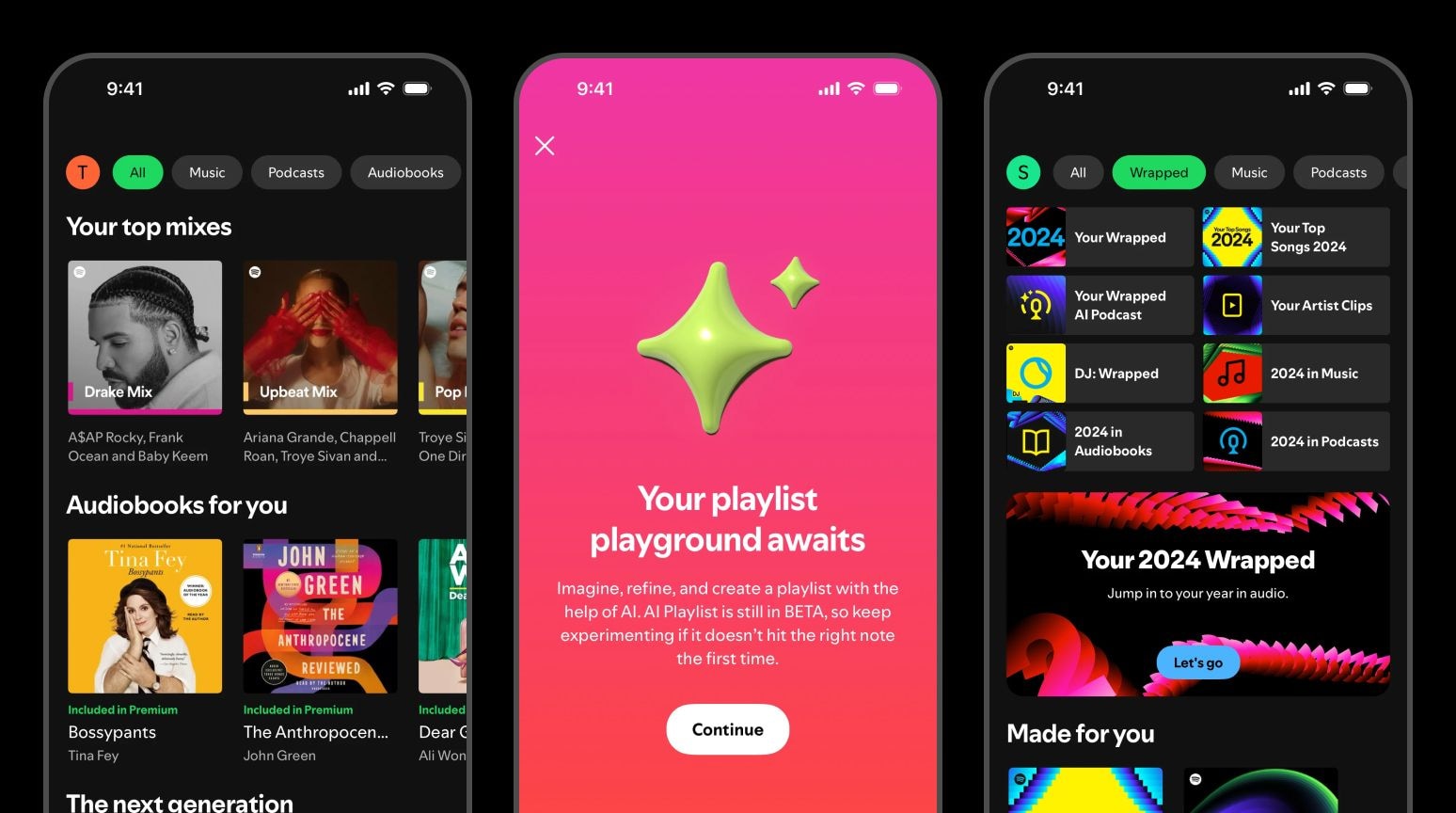
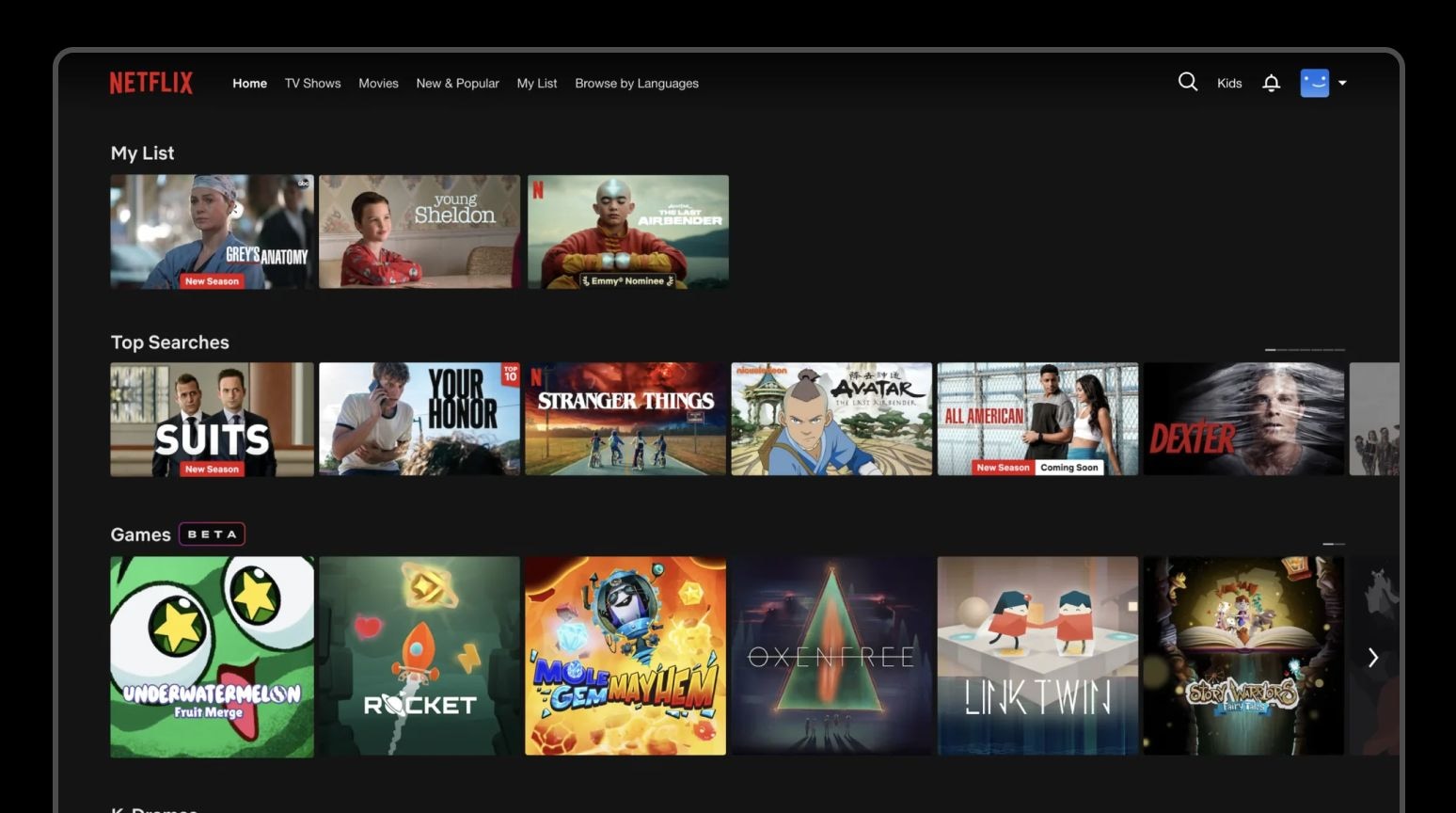
Personalization continues to evolve into hyper-personalized interfaces that adapt not just content, but layout, hierarchy, and interaction patterns.
By 2026, personalization is less about recommendations and more about relevance. Interfaces highlight what matters most in a given moment, reduce unnecessary options, and help users move faster through familiar flows.
This evolution points toward calmer and more efficient experiences. Instead of constantly asking users to make choices, the interface learns from patterns and subtly adapts, while still keeping the experience predictable and consistent.
7. Multimodal interaction
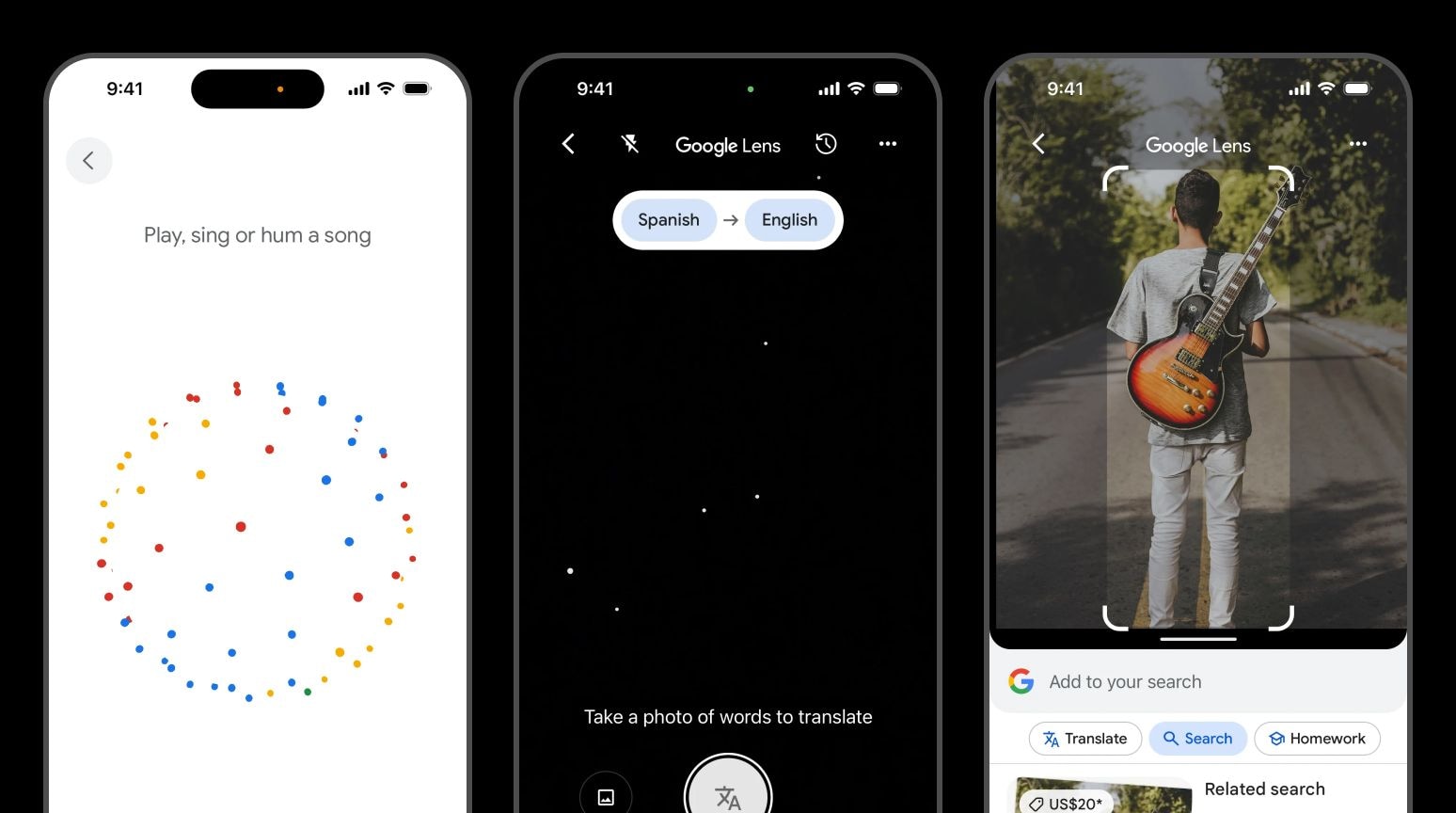
Multimodal interaction is steadily becoming more common, combining touch, voice, gestures, and contextual input. In 2026, this trend focuses less on experimentation and more on practical integration.
Interfaces adapt based on how users choose to interact, offering appropriate feedback for each mode. This naturally leads to the evolution of Zero‑UI, where controls appear only when needed.
Rather than removing interfaces entirely, Zero‑UI reduces visual noise and surfaces UI elements contextually, creating more focused experiences. For designers, the challenge is to choose the right input modes, maintain consistency across them, signal system responses clearly, and ensure interactions feel natural in context.
Looking ahead
These trends for next year reflect a shift toward intentional, user-centered design. It’s not about adopting every new pattern, but about understanding how each change can guide attention, make interactions feel natural, and create experiences that genuinely engage users.
Written by

Soraia Morais
Product Designer