Modernize legacy software with AI at its core
AI Product Modernization brings together a team of product managers, designers, and engineers to modernize your existing software and change how you build it, with AI-native workflows powered by Pixel AI™.
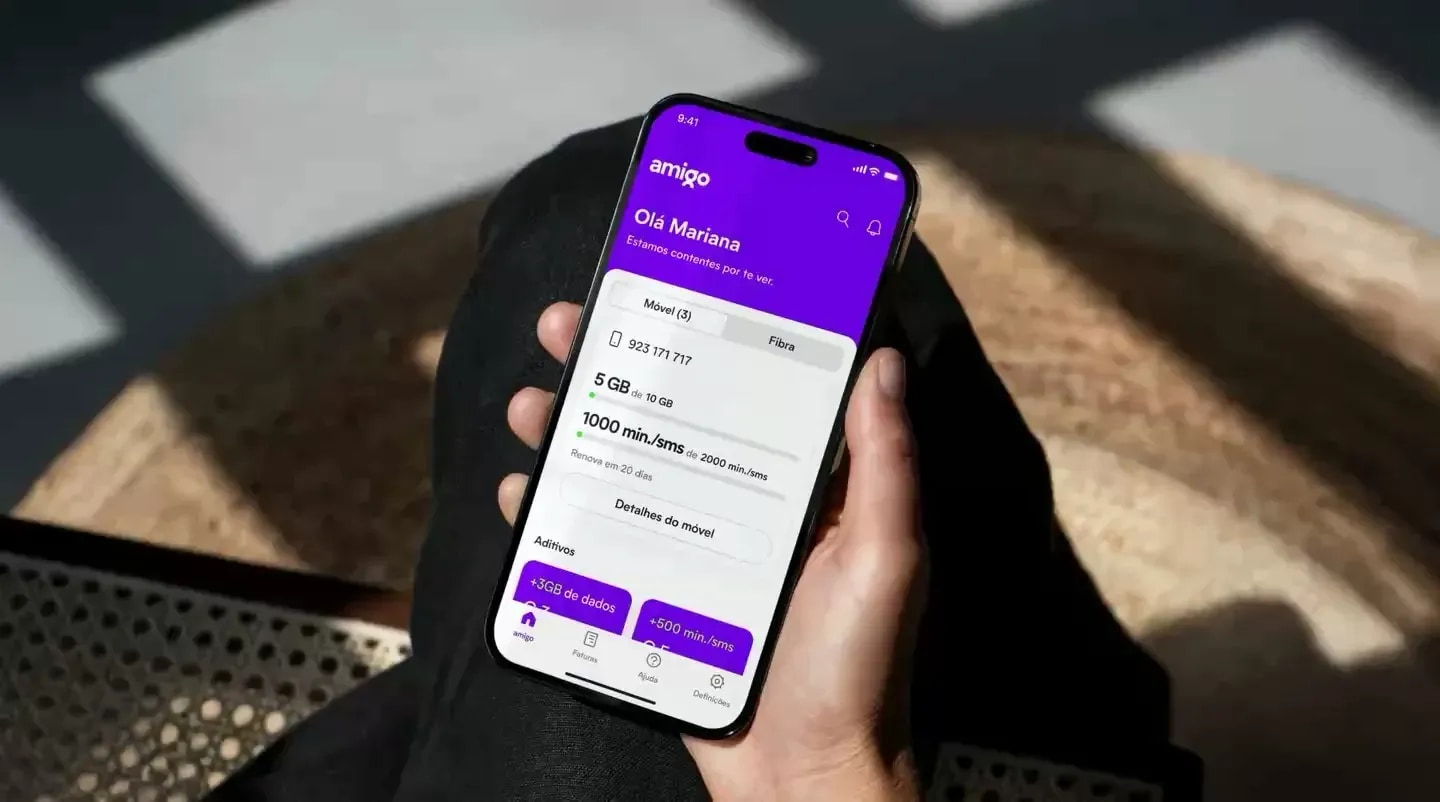
Designing a brand-new telecom operator
A self-serve experience for mobile and fiber plans, on web and app.
82NPS for the subscription flow71%Praised how simple subscribing is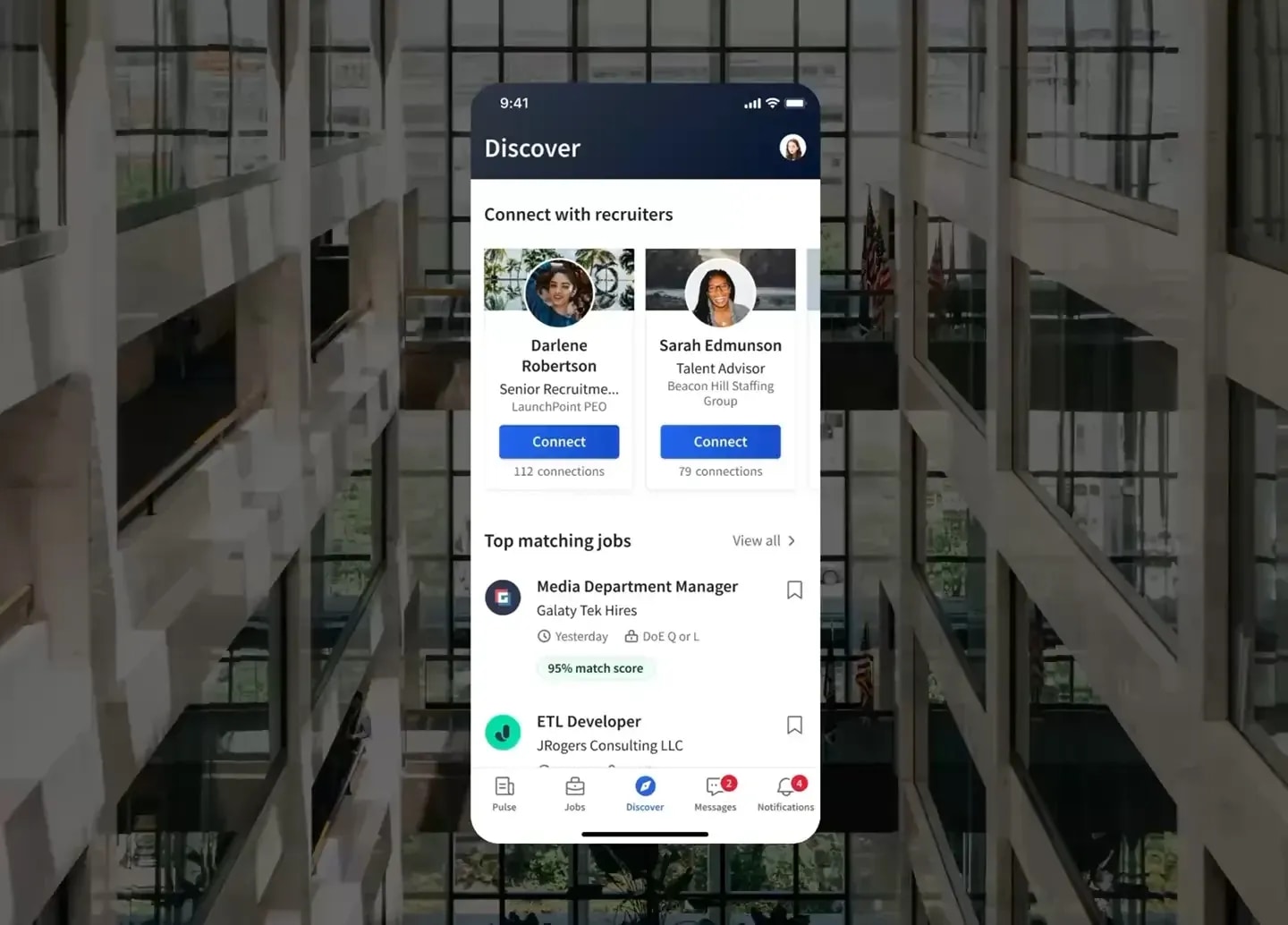
Rebuilding ClearanceJobs for web and mobile
A legacy web app rebuilt while thousands of daily users kept working.
+119%Revenue growth in 5 years45kApp downloads in 18 months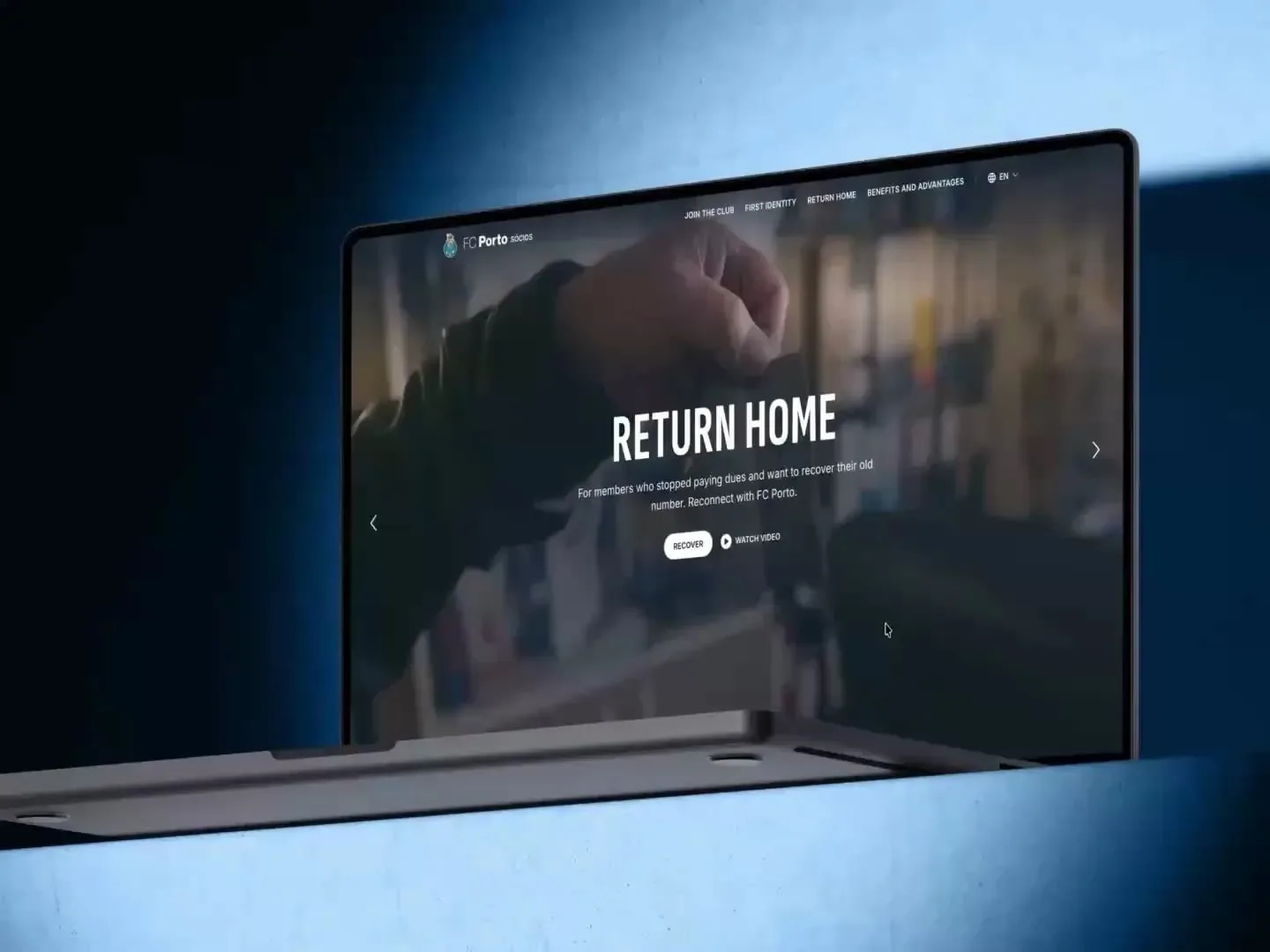
A membership portal for FC Porto supporters
A mobile-first membership journey, from newborns to lifelong supporters.
1MSupporters reached in 6 months16kNew or returning members








When does AI Product Modernization make sense?
AI Product Modernization makes sense when you need to modernize legacy software, build a new product, or bring AI into your roadmap.
Your legacy stack slows every release
Every change costs more than it should, and rewriting the whole application feels too risky to start.
What changesLegacy application modernization in slices, so the roadmap keeps moving while the architecture changes underneath.
Your product needs a rebuild, not another patch
The core experience no longer matches what users expect, and the platform underneath can’t support what you need to build next.
What changesA replatform of the core product, migrated and tested so your users and data move over without disruption.
You need a new product built from scratch
You have a validated idea for a new web or mobile product, and no team in place to build it.
What changesNew product development from concept to production, with product, design, and engineering working as one team from the first decision.
AI is on the roadmap, not in the product
Your customers and your board expect it, but you can’t get past experiments to production.
What changesAI product development around real user problems, from the first use case to features designed, tested, and shipped to production.
How to get started with AI Product Modernization
Getting started with AI Product Modernization takes 4 steps, and your first release ships within a few weeks.

- CEOYour team
- CTOYour team
 Bruno TeixeiraCEO
 Tiago CoelhoCTO
 Tiago RomanoBusiness Developer
- Goal: checkout completion from 58% to 75%
- Release 1: mobile checkout on the new stack
- The legacy app runs until each slice moves
- Live for 20% of users in six weeks
- Step 1
We start with your product, users, tech, and goals, and agree what success looks like.
- Step 2
We assemble the right product, design, and engineering mix to work with your team.
- Step 3
The team joins your codebase, tools, and rituals, so work starts without slowing you down.
- Step 4
We release working software early, then iterate in short cycles on what to improve.
One team, two ways to work together
Go Flexible when priorities shift. Get a Team Subscription when the roadmap runs long.
 4.9 stars on Clutch
| Flexible Subscription | Team Subscription, Recommended if your roadmap runs long | |
|---|---|---|
| Starting at | €7.5k/month | €20k/month |
| Best for | Starting lean, with room to scale up or down | Tackling bigger problems with a stable team |
| Scope | Priorities adjusted month to month, within the cap | An ongoing roadmap with agreed milestones |
| Team | Product managers, designers, and engineers, depending on what you need | A dedicated team of product managers, designers, and engineers, depending on what you need |
| Investment | Usage-based within a monthly cap | Agreed fixed monthly fee |
| Commitment | None | 3-month minimum |
| Discuss Flexible Subscription | Discuss Team Subscription |
AI-native delivery with Pixel AI™, whichever model you choose.
Not sure which model fits?
Tell us what you’re building. We’ll help you find the right approach.
Prices exclude VAT where applicable. Starting prices are indicative. Final investment and terms depend on the agreed scope and team.
What tech leaders say about us



“It was very clear from the start that something was different. This team had that sense of ownership and accountability, and wanted to understand the broader strategy. Pixelmatters was the type of firm that would not let their team fail a client.”



“We always felt like they were good about aligning expectations and making sure that we knew the key challenges and path to overcome. We really enjoyed working with them.”



“What stood out most was how embedded and proactive they were. They’ve anticipated needs, responded quickly, and taken ownership across design, development, and launch in a way that felt more like an internal team than an external agency.”



“They were responsive to our evolving needs, remaining flexible and available to adapt to our roadmap and any changes or new requirements that arose during the project. This approach was crucial in successfully launching our new software platform.”



“Pixelmatters is all about agility. They have a flexible but meticulous approach to both Design and Development, which has been a perfect match for Rubrik’s mindset and rapid growth.”


“It felt like a natural extension of our team, rather than an external provider. I also really appreciated having senior stakeholders jump in at important moments and provide guidance and recommendations to both teams on how to unlock difficult problems.”
Questions about AI Product Modernization
AI Product Modernization is how Pixelmatters modernizes, builds, and evolves digital products with one AI-native team for product, design, and engineering. It covers legacy application modernization, replatforming, AI product development, and new products. Getting started takes 4 steps (align, build the team, integrate, and ship), with Pixel AI™ in every one. You can run it on a Flexible Subscription or a Team Subscription.
AI Product Modernization starts at €7.5k a month on a Flexible Subscription, billed by usage within an agreed monthly cap, with no minimum commitment. A Team Subscription starts at €20k a month for a fixed fee, with a 3-month minimum. Your quote depends on scope and team, and an AI Product Modernization team usually starts within 2 weeks of agreement. Compare the plans.
Yes, Pixelmatters can add AI to your existing product: AI product development is part of AI Product Modernization. We start with where AI would help your users, what your product and data can support, and what it will take to run. Then we design, build, and test it alongside the rest of your roadmap. If AI isn’t the right answer for a problem, we’ll tell you.
You don’t always need to rewrite a legacy application to modernize it. We assess it first, from the first call and with a technical assessment when the project needs one. Then we recommend what’s more cost-efficient for your product: a rewrite from scratch, or legacy modernization piece by piece, so the parts that work keep running while we replace what’s holding you back. See how our engineering team works.
Staff augmentation adds individual people to your team, and you manage their work. With AI Product Modernization, we agree the scope with you, and our team owns delivering it, from planning to quality to what ships. When the scope changes, we agree the new scope with you and adapt the work within your plan, whether it’s a Flexible Subscription or a Team Subscription. You own the agreed deliverables, including code and design files, as set out in your contract.
AI Product Modernization includes QA from the first cycle, and we follow your security requirements throughout. We can work in your repositories and environments or in ours, depending on your access needs, and we’re working toward SOC 2. If you need a specific certification or compliance standard, tell us when you get in touch and we’ll confirm fit before anything starts.
AI Product Modernization is the right fit when your product needs ongoing work, with one team modernizing, building, and evolving it over time. For one small project with a clear scope, like an MVP or an AI proof of concept, start with an AI Pilot Sprint. For an AI innovation lab built and run next to your product teams, with the option to bring it in-house later, see R&D Labs. To change how your own teams build with AI, see AI-Native Enablement or Forward Deployed Team. If you’re not sure, tell us about your challenge and we’ll suggest the right fit.